
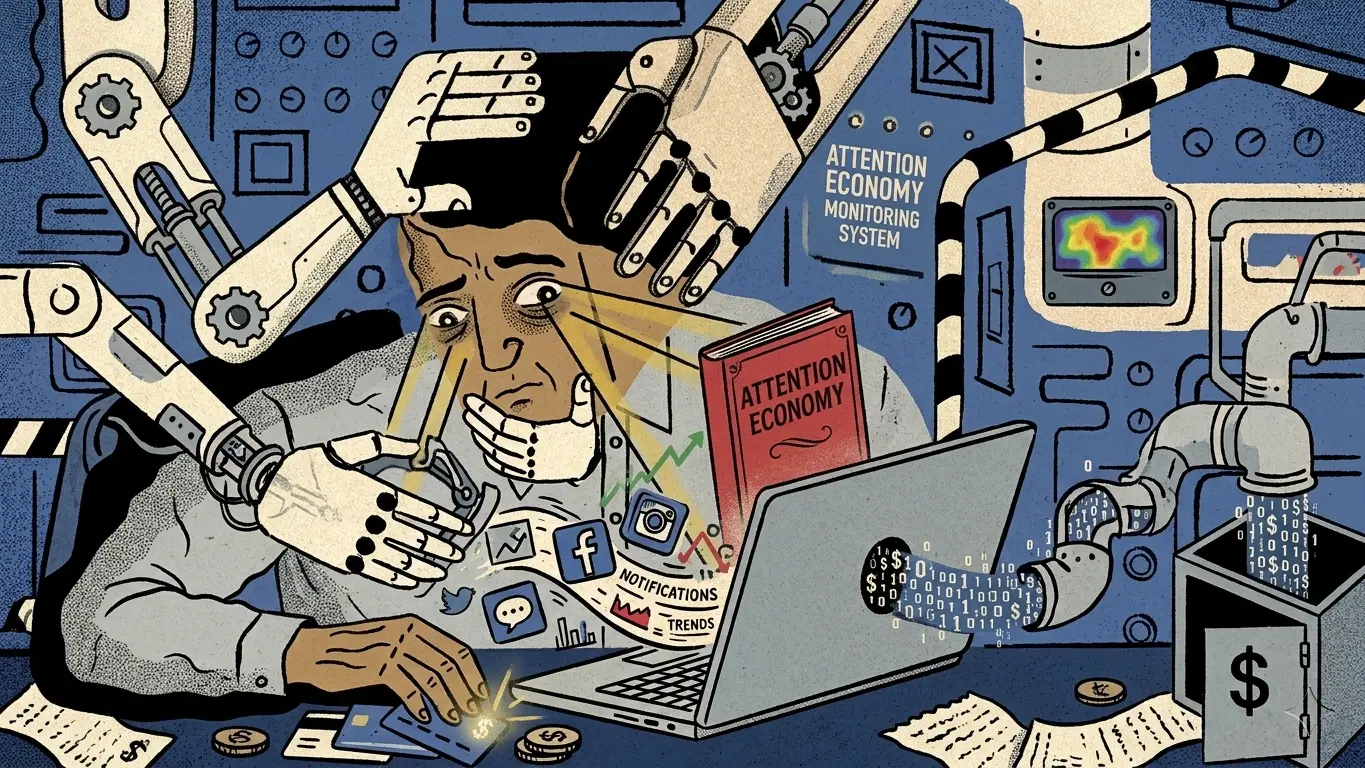
Now we are living in an era where our attention is not taken; it is stolen by tech giants. I know at first it seems silly, but it is far more complicated than we think. There is a popular internet cliché that “if you are not the customer, then you are the product.” All of us are just products of the big companies. Social media platforms don’t care whether we have learned or gotten any values from their site or whether we have anxiety, depression. This is not their thing to talk about. They just want to make sure that their customers are using the site for as long as possible.
Research suggests that average time focused on a single task has dropped from about 2.5 minutes to roughly 40 seconds.[1] Our attention dropped because of social media. In social media companies, the world’s best psychologists, neuroscientists, programmers, and UI designers are working, and their main job is to make us hooked to their platforms. That’s why this is so easy for us to get addicted. From notifications: when should it be? What kind of sound effects should it have to tiny, tiny UI elements. For example, where should the like button be? Where should the share button be? how they should look—everything is well designed with precision so that we remain stuck to those platforms.
This is the way because the more time we spend on their platforms, the more information about us they have, and they can show us more specific ads and make more revenue. As simple as that. Don’t get me wrong; I am not saying we can’t learn anything from social media. Sure, we can, but we have to be very cautious about what we are consuming and how much time we are spending there. If we can use social media in a good way, we can gain so much value from it, but very few people can utilize time on social because of the way it is designed.
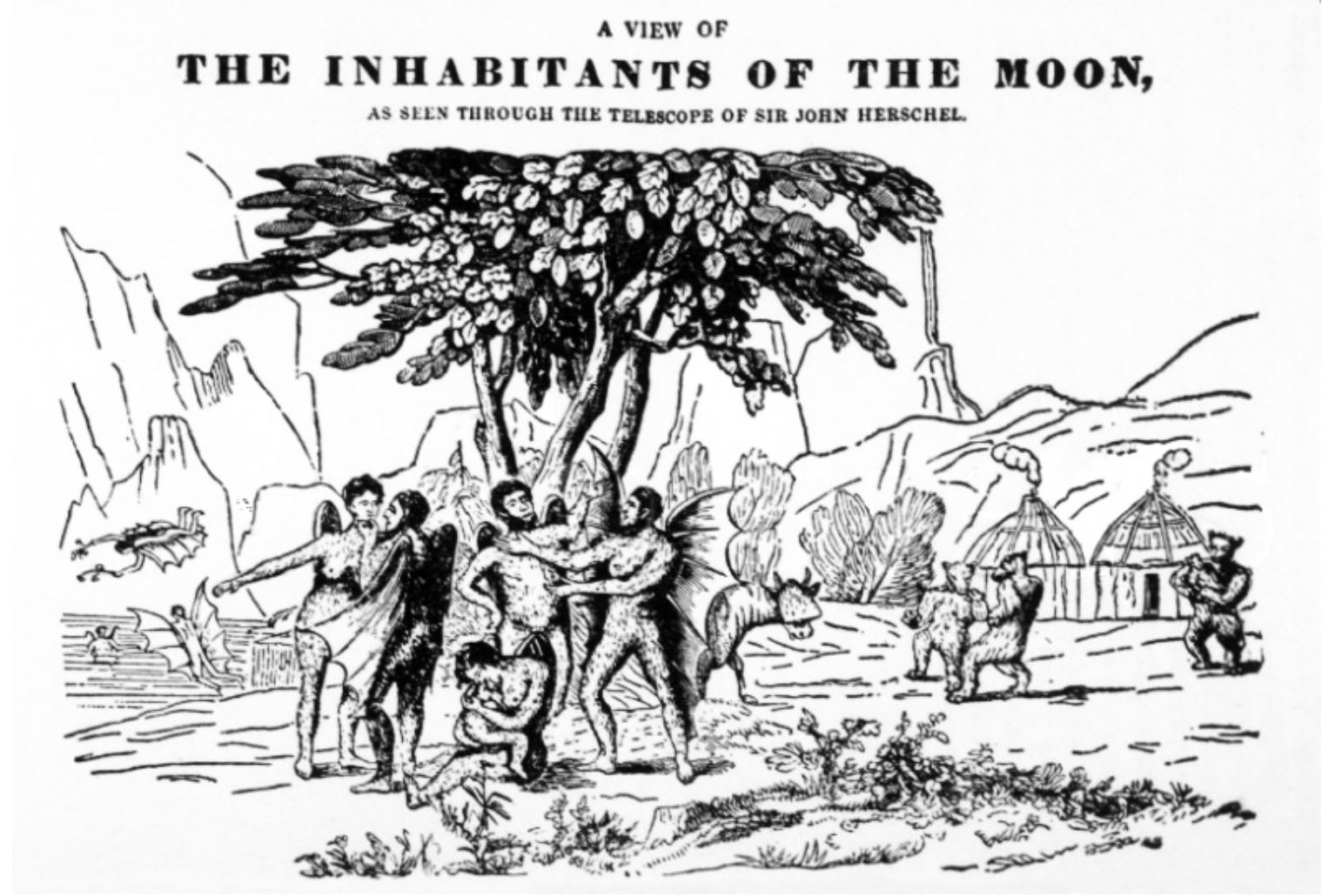
When the first newspaper came, it was just for the elite people who could afford it. Then some newspapers came, and they started selling newspapers at a cheaper price so that everyone could buy them. They were selling at an even lower price than the production cost! Their main earning strategy was to sell customers’ attention to the advertisers. At some point newspapers started publishing fake news. One of them was “Great Moon Hoax.” A series of six articles published in The Sun beginning on August 25, 1835, about the supposed discovery of life and civilization on the Moon.[2] It was a huge success for the newspaper. Then they started keep publishing content that would go viral regardless of whether that is true or not.
When any platform runs on an advertisement model, it’s going to eventually make or support clickbait, fake, and ragebait content. Because it is simple: more clickbait, more views, and more revenue. Now attention has become a commodity, and now newspapers, bloggers, and video creators want our attention. I barely touched the surface and still there are so many things; algorithms is one of them which is so sophisticated that we think. We have to be very cautious because time is the most valuable thing in our lives. Sometimes even I can’t help myself but binge-watch social media content. Frankly, it is very hard to stay away from it, but if we keep in mind their strategy, then we can definitely improve our situation.
“The Average Attention Span Has Shrunk to Roughly 40 Seconds. Here’s How to Get It Back.,” Health, 2026, https://www.nationalgeographic.com/health/article/attention-spans-shrinking-how-to-regain. ↩︎
Contributors to, “Fake Newspaper Article Series,” Wikipedia.org (Wikimedia Foundation, Inc., July 19, 2004), https://en.wikipedia.org/wiki/Great_Moon_Hoax. ↩︎